What is PVT? The Technology Explained

PVT stands for photovoltaic-thermal hybrid module. The technology produces heat and electricity at the same time. Unlike conventional PV, a PVT module uses incoming solar irradiation twice:
- Electricity is generated on the front side.
- Heat is harvested in the rear side.
This combined use of solar energy enables a significantly higher overall energy yield per roof area.
Advantages of PVT
The thermal section on the rear side utilizes not only solar radiation but also ambient air as a heat source. Technically, this principle resembles the outdoor unit of an air-to-water heat pump, except it additionally harnesses direct solar energy. The result is a highly efficient, reliable, year-round heat source.
Clever Heating Technology: How Does PVT Work?
PVT is, above all, a groundbreaking heat source for brine-to-water heat pumps. While the module also generates electricity, this is not the primary objective. The combination of a PVT module with a brine-to-water heat pump creates a fully fossil-free heating system that operates independently of oil, gas, or district heating systems.
Function Principle of PVT Explained
PVT can best be imagined as a ground collector that is installed on the roof and, in addition to heat, also supplies electricity. PVT is therefore not only the heat source for the heating system, but also supplies the electrical consumers in the building. In order for PVT to be worthwhile, a brine-water heat pump is always required (except in special cases).
-
The solar cells on the module’s front convert sunlight into electricity, producing waste heat in the process.
-
A heat exchanger on the back absorbs this heat and draws additional ambient heat from the surrounding air.
-
A liquid circuit transfers this thermal energy to a brine-to-water heat pump.
-
The heat pump elevates this energy to the required temperature level for space heating and domestic hot water.
It’s important to understand: PVT is not a conventional PV module with some extras. It is primarily a high-performance thermal energy technology with electricity as a valuable by-product.
This video is played via the platform YouTube. By clicking play, you agree that data may be processed by YouTube as a third-party provider. Sunmaxx has no influence over this data processing.
Why Shifting to PVT Makes Sense
For Single-Family Homes
- Full replacement of oil and gas heating
- Largely self-sufficient energy supply
- Single investment with very low operating costs
- Fewer heating components required
- Silent operation without an outdoor unit
- Cooling capability via reverse heat-pump cycle
For Residential Buildings
- Maximum rooftop efficiency: over 80 % total energy yield
- Compatible with geothermal systems, reducing drilling meter requirements
- Decentralized, reliable heat supply
- Lower energy and operating costs for tenants
For Industry & Commerce
- Combined process heat and power production in only one module
- Independence from volatile fossil-fuel prices
- Economical pathway to decarbonization
- Predictable energy costs well into the long term enabling panning reliability
For Local & District Heating
- Supply of readily storable low-temperature heat
- Regeneration of geothermal systems with summer surplus heat
- No need for extensive thermal insulation
- A cornerstone for decarbonizing heat infrastructure
PVT & Incentives: Secure Cost Advantages
PVT technology is not only a high-performance solution but also financially attractive. In Germany, PVT systems paired with heat pumps are recognized as renewable heat sources and are generally eligible for federal and state subsidy programs (e.g., within the framework of the Federal Funding for Efficient Buildings – BEG). These incentives support both the heat pump and the heat source development, including PVT systems.
The applications of PVT range from single-family homes to process heat in industry to local and district heating networks. On an economic level, PVT scores with low investment costs, predictable operating costs, and government subsidies. A solution that facilitates the switch to renewable energies. Sunmaxx offers the most powerful PVT technology on the market: the ideal source for brine-water heat pumps and fully eligible for subsidies.
PVT vs. Conventional Systems: A Direct Comparison
PVT provides heat and electricity at the same time. In combination with a brine-to-water heat pump, this creates a complete heating system with very high efficiency, fewer components, and lower operating costs than comparable solutions.
| Comparison criterion | PVT + brine-to-water heat pump | PV + air-to-water heat pump |
|---|---|---|
| Components | 2 | 3 |
| Efficiency per m² | ✔high | ✖low |
| Typical seasonal performance factor (SPF) | ✔4.5 – 6+ | ✖< 3.5 |
| Heat pump installation location | indoors | indoors + outdoor unit |
| Space requirement | ✔low | ⚠medium |
| Noise emissions | ✔silent | ✖present |
| Snow melting capability | ✔yes | ✖no |
| Building cooling | ✔yes | ✔yes |
| Investment costs | on par | on par |
| Maintenance effort | ✔low | ⚠medium |
| Heat pump subsidy eligibility | ✔yes | ⚠depending on noise emissions |
| VAT exemption for PV share | ✔yes | ✔yes |
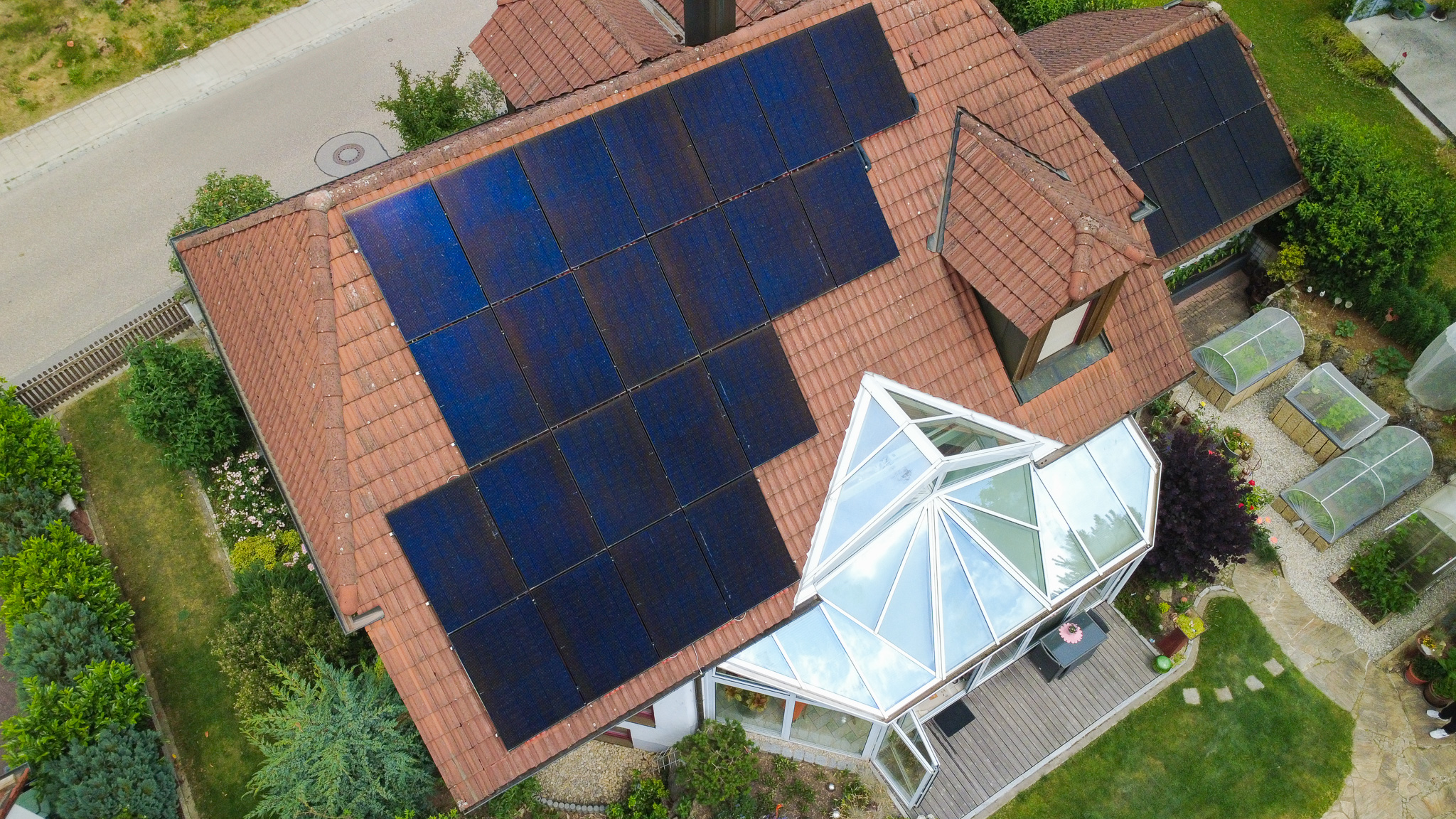
Sunmaxx PVT: Discover References
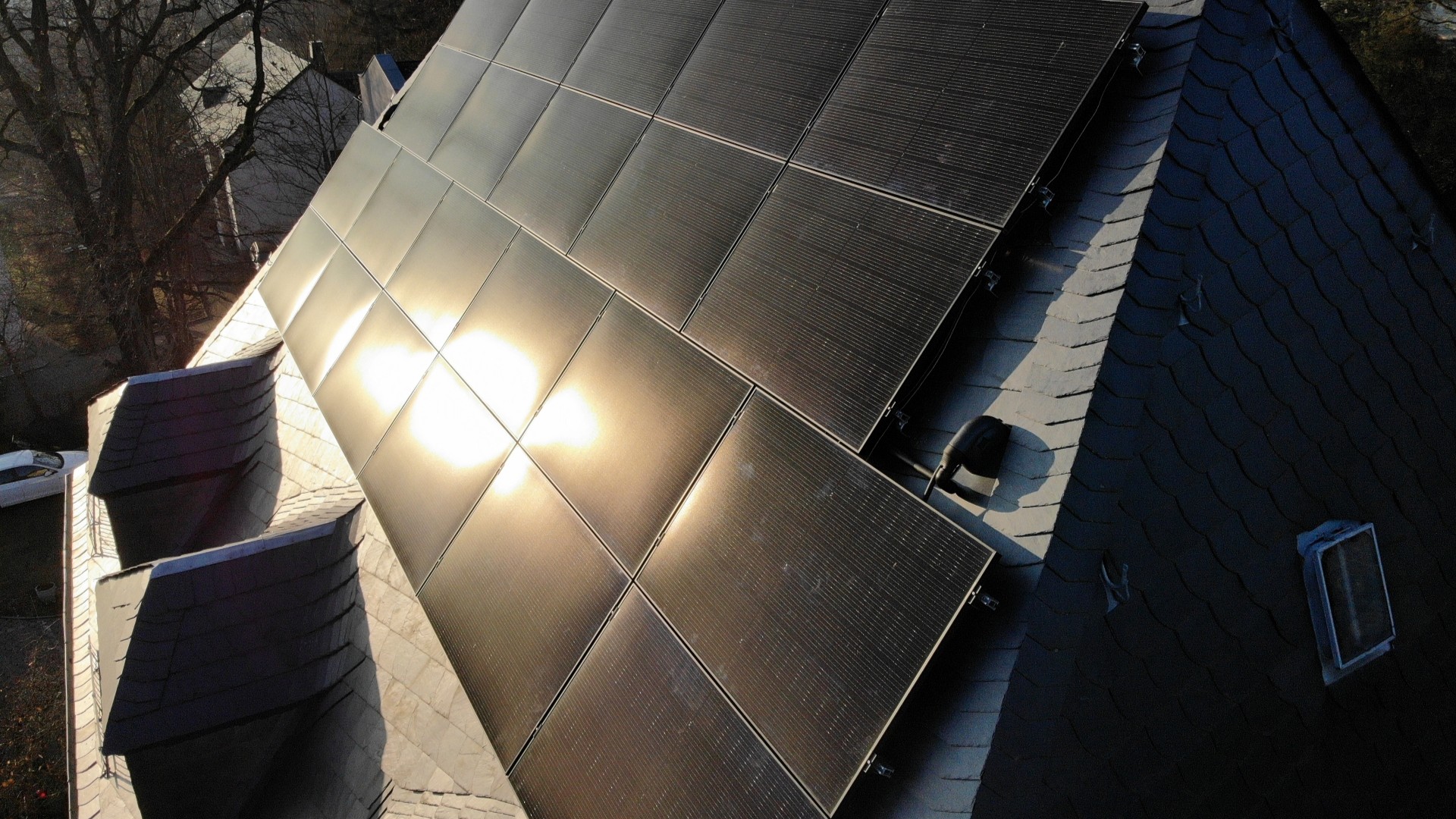

Shift to PVT: Why to Choose Sunmaxx
- The world’s leading PVT technology
- The first and only industrial mass-produced PVT modules
- Expertise from automotive-grade thermal systems
- Full-surface integration of PV cells and heat exchanger for maximum thermal yield
- Optimized thermal design with low pressure loss
- Lightest PVT modules on the market (29 kg/module)
- Installer-friendly connectors
- Compatibility with all major brine-to-water heat pump manufacturers
Sunmaxx PVT: Integrated System Compatibility
Various Successful Projects Implemented with:
alpha innotec · Bosch/Buderus · Dimplex · Ecoforest · Heidinger · iDM · M-TEC · NIBE · NOVELAN · OCHSNER · ratiotherm · STIEBEL ELTRON · tecalor · Vailant · Viessmann · WATERKOTTE
Systemic Advantage with PVT: Maximum Energy from the Sun and Ambient Air
The sun’s energy can be harnessed in two ways:
On the one hand, photovoltaic modules convert solar radiation into electricity. On the other, solar thermal collectors generate heat. PVT modules combine both functions in a single product. As a result, the technology reliably supplies thermal energy even during periods of low solar irradiation or at night.
The smartest way to transition to renewable energy – there is no greater efficiency per square meter.
In combination with heat pumps, PVT systems operate with exceptional efficiency, delivering an almost self-sufficient supply of 100% climate-neutral heat and electricity.
Sunmaxx PVT technology is based on the most efficient solar cells of the latest generation. For the thermal component, Sunmaxx leverages highly advanced systems derived from battery management technology in the automotive industry. Sunmaxx is the only manufacturer in the PVT segment to offer this innovative combination. This is our competitive advantage, enabling us to significantly reduce investment costs and make PVT technology suitable for large-scale deployment. Climate-friendly, sustainable and without greenwashing.
Developed in collaboration with the Fraunhofer Institute for Solar Energy Systems ISE in Freiburg.

What Are the Benefits of Combining PVT with Geothermal Energy?
1. Optimized Use of Space
- PVT systems generate heat and electricity on the same surface area.
- Surplus thermal energy can be stored in geothermal systems.
- This reduces both the required area for ground collectors and the depth of boreholes.
2. Higher System Efficiency
- Heat pumps operate most efficiently when supplied with a high and stable source temperature.
- The combined operation enables seasonal performance factors (SPF) of 6 and above.
- Ideally suited for local and district heating networks.
3. Predictable Energy Costs
- The combined generation of electricity and heat immediately lowers operating expenses and therefore guarantees planning reliability.
- 100% independence from volatile oil and gas prices, and largely independent of electricity price fluctuations.
Memberships